A quiet desk in a wood-panelled library with documents and a reading lamp

Collection 01 / business intelligence

Put the question
before the chart.

Buvadoreli Evidence Cabinet is a working library for teams who need to move from an operational question to evidence that can be examined, discussed, and used with care.

Open the cabinet
Cabinet designationOperational evidence, not ornament
Working modeQuestion-led review
MaterialsRecords, context, judgment
Correspondence[email protected]

Cabinet drawers / interactive

Three places to start a better inquiry.

Choose a drawer handle. Each opens an evidence memo with a different starting point for a practical analytics conversation.

What would we do differently if we knew this?

A good working question names the situation, the people close to it, and the action that could change. It does not ask a chart to supply meaning after the fact.


Look for: a decision horizon, a specific operating context, and a way to recognise a useful answer.

decision horizonoperating contextobservable change

Collection policy

A short rule for keeping analysis usable.

An evidence cabinet is not a repository for every available number. It is a deliberate selection of material that helps a team understand a live question without hiding uncertainty.

We distinguish records from interpretations, make assumptions legible, and leave room for the people doing the work to disagree productively about what the evidence means.

Folded index sequence

From question to evidence, without skipping the middle.

A concise sequence for shaping an inquiry. It is intentionally tactile: each fold creates a place to pause before the work moves on.

01 / FRAME

Phrase the operational question.

Use language the team already uses. State who is affected and what is changing around them.

02 / LOCATE

Find the closest records.

List the systems, notes, events, and conversations that can genuinely illuminate the question.

03 / EXAMINE

Read the evidence with its conditions.

Look for omissions, definitions, timing, and collection choices before calling a pattern meaningful.

04 / RETURN

Bring a bounded finding back to work.

Connect the finding to a conversation, a next check, or a small decision—not a grand conclusion.

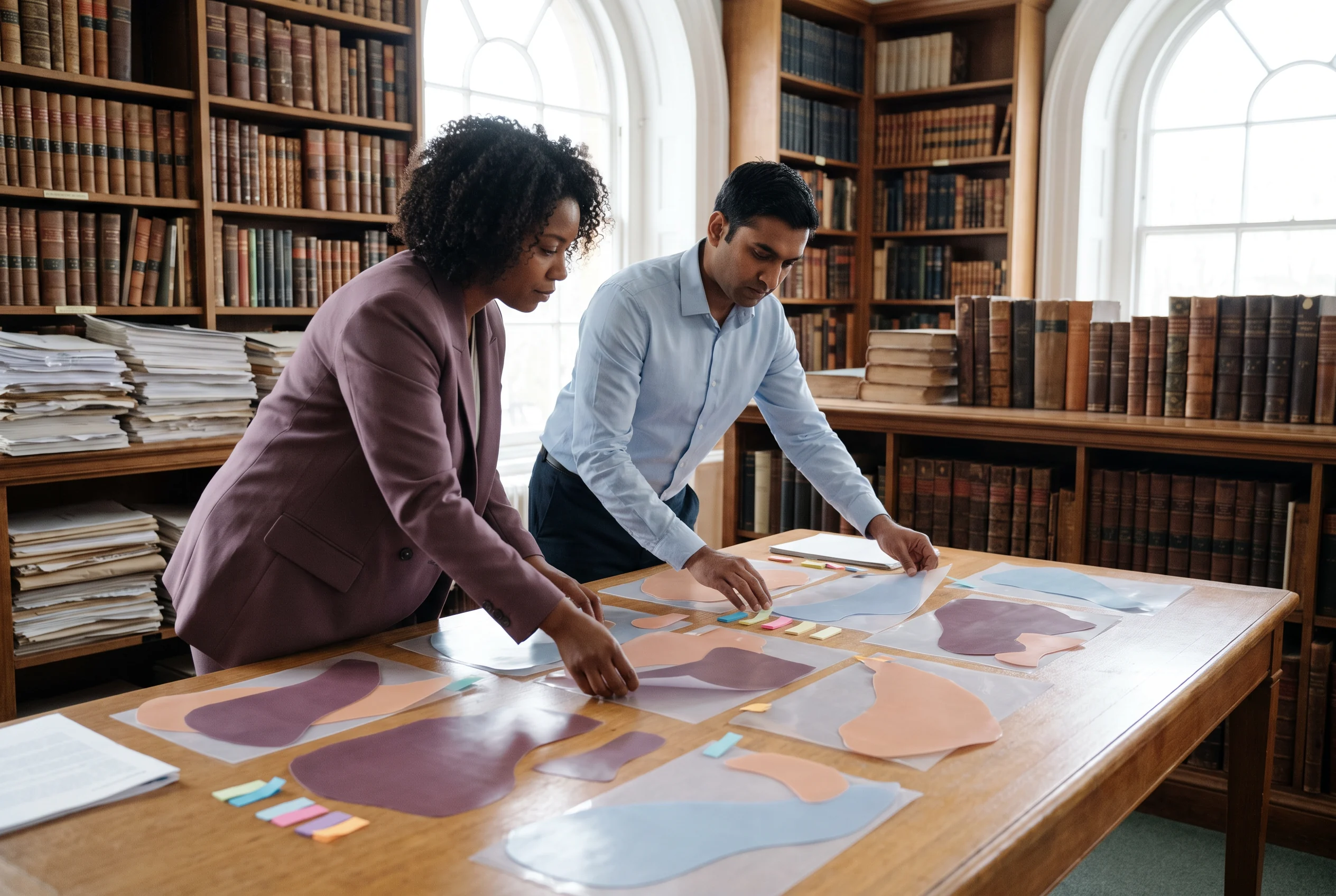
Colleagues examining coloured evidence sheets spread across a library table

At the review table

Evidence becomes more useful when it is read together.

Seeing source material beside the question changes the quality of a review. It makes it easier to ask what is missing and which explanation has not yet been tested.

Operational question shelves

Questions worth pulling from the shelf.

Each file begins with an operational moment rather than a preselected metric.

Coloured paper, blank index cards, a magnifier and pens arranged for an evidence exercise
SHELF / A-11

Where does handoff lose its shape?

Trace a request through the moments where ownership, status, or essential context may become unclear.

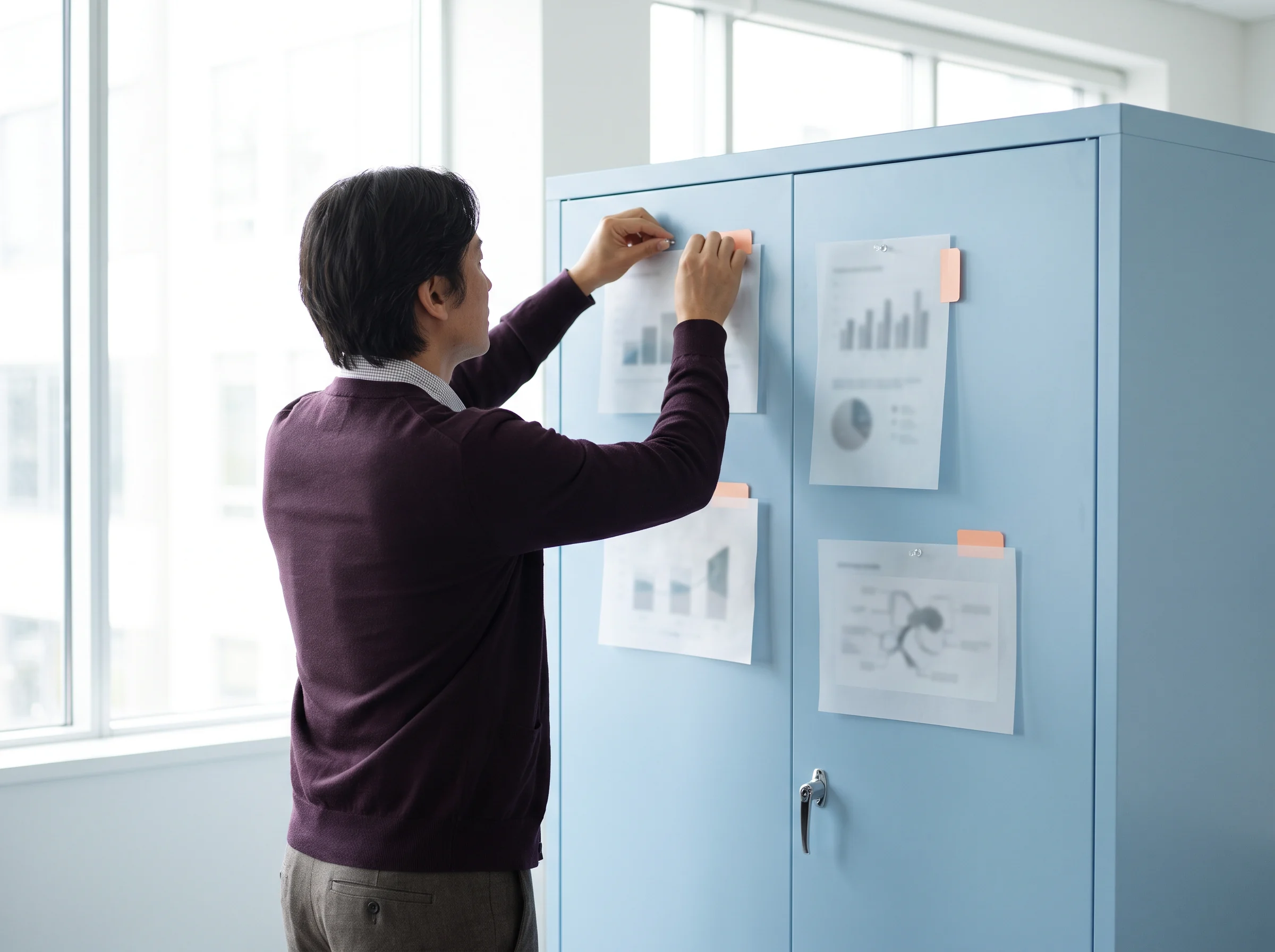
A person attaching notes and charts to a pale blue archive cabinet
SHELF / B-04

Which signal reaches the team too late?

Ask what a person needed to notice earlier, then inspect how and when that signal is recorded.

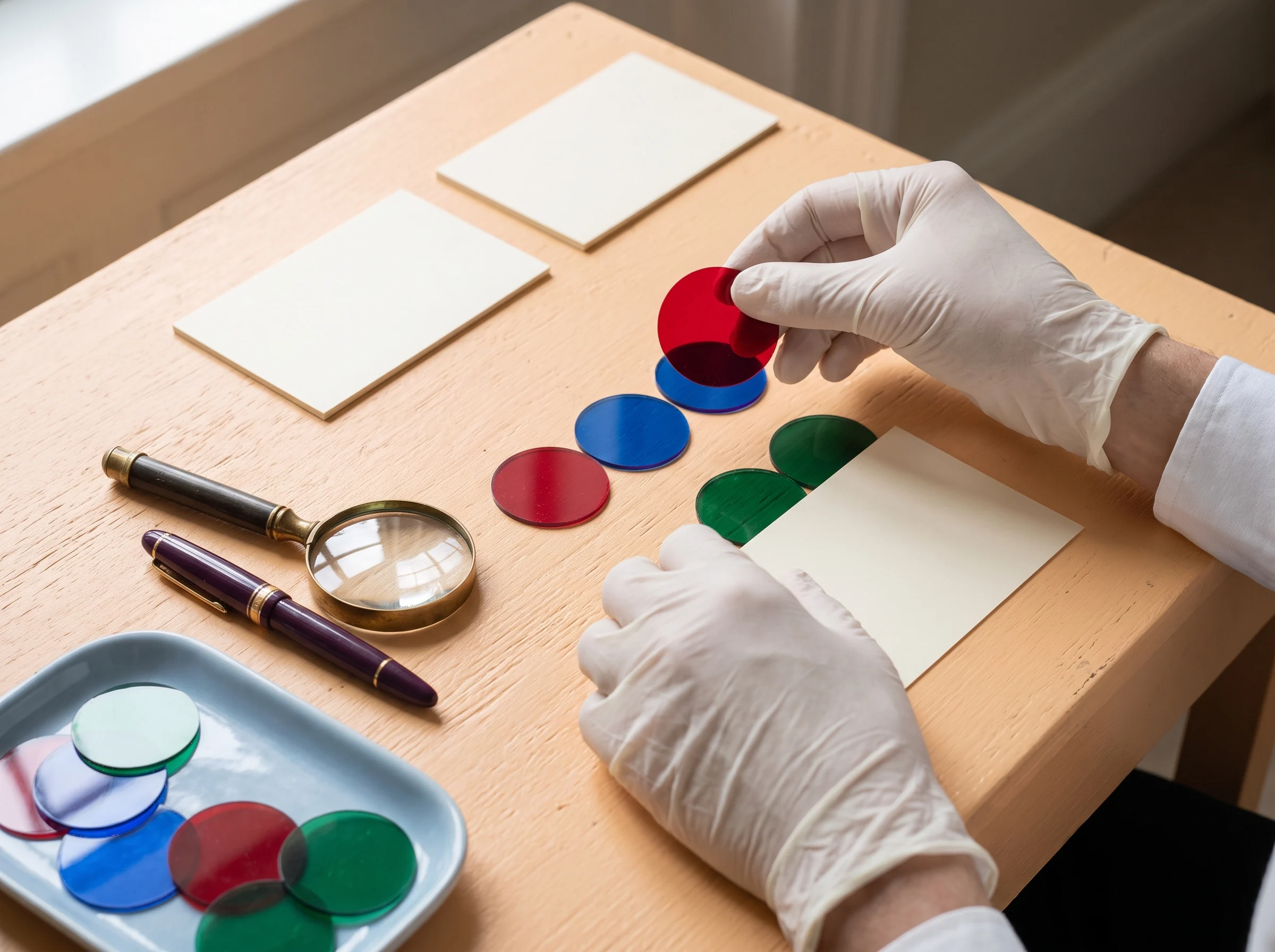
A gloved hand placing coloured discs beside blank evidence cards on a table
SHELF / C-17

What are we treating as alike when it is not?

Review the categories in common use and look for different conditions hidden inside a single label.

Assumption lens / interactive

Turn the acetate before you settle on a reading.

A lens does not prove an answer. It changes the kind of question you bring to the material. Choose one to update the working guidance.

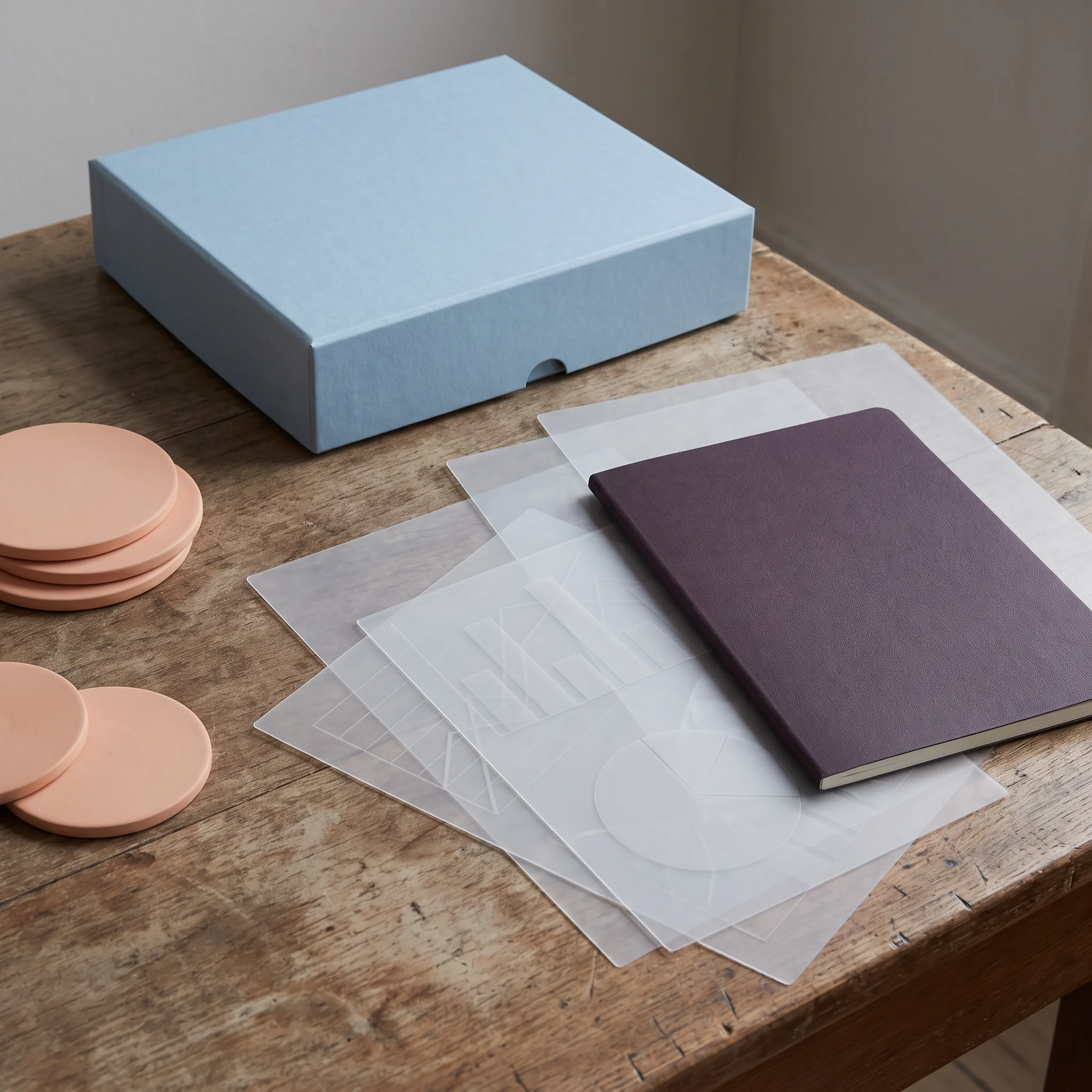
Powder blue and aubergine archival boxes with translucent drafting sheets
Timing lens

Check the distance from event to record.

Ask whether the evidence was captured during the work, after it, or at a later reporting point. Timing can change what the record is able to show.

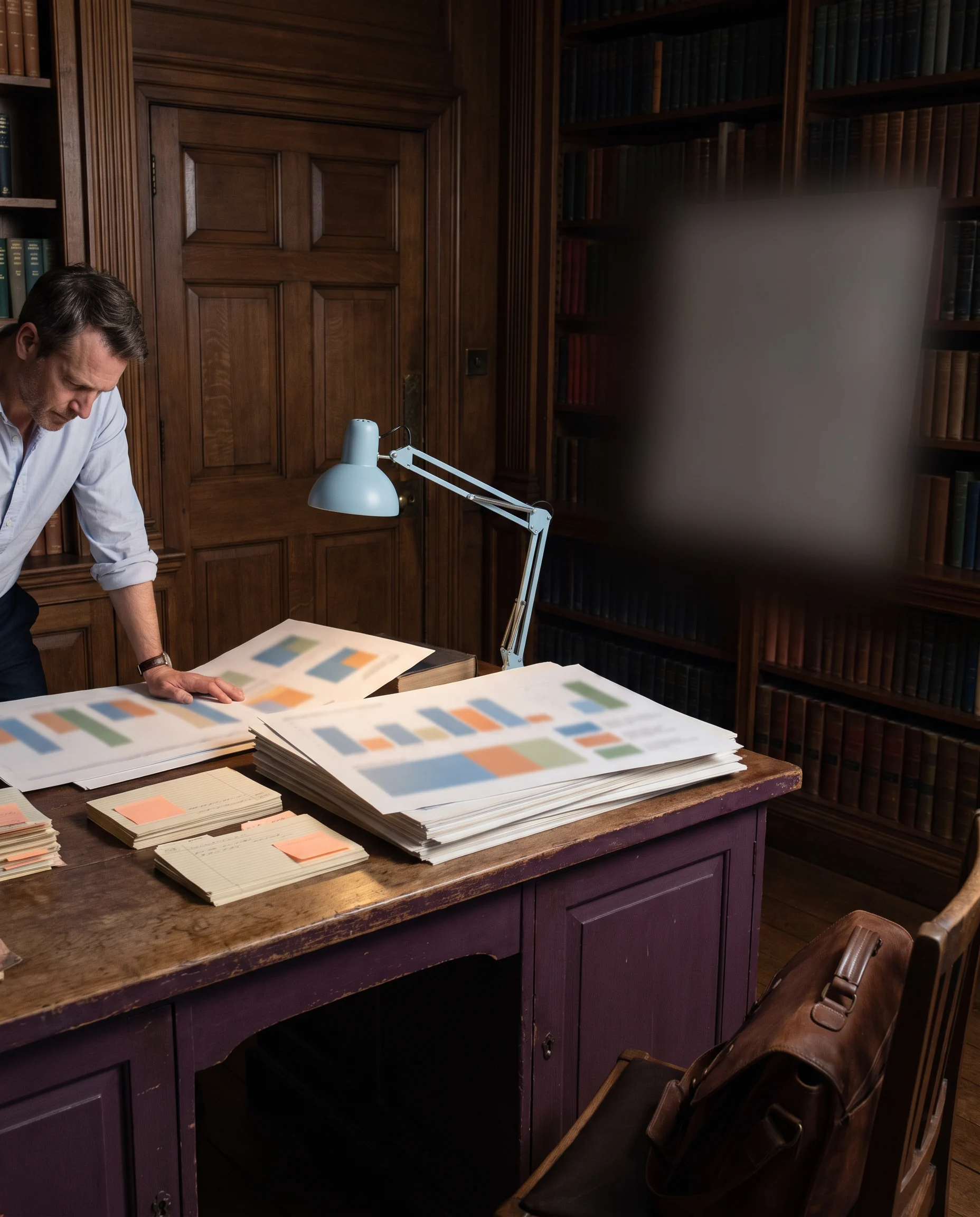
A person sitting at an open table in a library reviewing documents
OPEN TABLE REVIEW / SOURCE CONTEXT IN VIEW

Transparent method notes

A review is more than a reveal.

Use notes that let someone else understand how a finding was reached and how much weight it can reasonably carry.

  1. 01

    Describe the material. Record the source, time span, definition, and selection choices in plain language.

  2. 02

    Describe the reading. Say what was compared, grouped, or interpreted, including any judgment calls.

  3. 03

    Describe the edge. Identify where the material becomes thin, mixed, delayed, or unable to answer the question.

After a useful finding

File the change where work can reach it.

A finding is not the finish line. It creates a clearer next conversation, a smaller experiment, or a different way to look again.

A desk with papers, a blue chair and a lamp prepared for a working evidence review

Return it to the people closest to the question.

Share the finding with the people who can recognise its practical texture. Invite them to name what sounds accurate, incomplete, or out of place.

Choose a proportionate response.

Decide whether the evidence calls for a conversation, a closer look, an adjustment to a routine, or simply a better question next time.

Leave a retrieval note.

Keep a short record of what changed, what did not, and what should be revisited. The next inquiry should not have to begin from a blank drawer.

Evidence kit / no trophies, no testimonials

Four simple implements for a more careful working session.

These are prompts and materials for a team table—not a promised outcome or a performance claim.

Question card

A brief, direct statement of the operational question, who is close to it, and what a useful answer might change.

Source label

A small label for origin, date range, definitions, access conditions, and the parts of a record that deserve caution.

Assumption lens

A deliberate way to test timing, category definitions, missing voices, and other limits before a reading hardens.

Retrieval note

A short account of the finding, its boundary, the next action, and the question that remains open.

Reading room / FAQ

Questions from the reading room.

Evidence can include structured records, service notes, work artefacts, observed events, and carefully documented conversations. What matters is not whether a material looks formal, but whether its origin and limits are clear enough for a team to discuss what it can and cannot reasonably support.

A report can make a team feel informed while leaving the practical issue untouched. Starting with a question gives the work a boundary: it names the situation, directs attention toward relevant material, and makes it easier to decide whether a finding has enough substance to influence the next step.

Uncertainty should travel with the finding rather than being hidden in a footnote. State which sources were used, what was excluded, where categories are imperfect, and which interpretations remain plausible. This does not weaken a useful observation; it helps colleagues use it with an appropriate level of confidence.

Bring the pattern back to the people who understand the working context, then agree on a proportionate response. That may mean checking one more source, changing a small routine, or recording an open question for later. The purpose is to improve the next conversation, not to treat one review as a final verdict.

Correspondence desk

Leave a clear note at the desk.

Tell us the operational question you are trying to handle. This form stays in your browser and is designed as a simple contact starting point.

[email protected]A pale blue archival cabinet filled with labelled papers between library shelves
Your note has been marked as received in this browser. The form is now clear; if you would like to correspond, please email [email protected].